
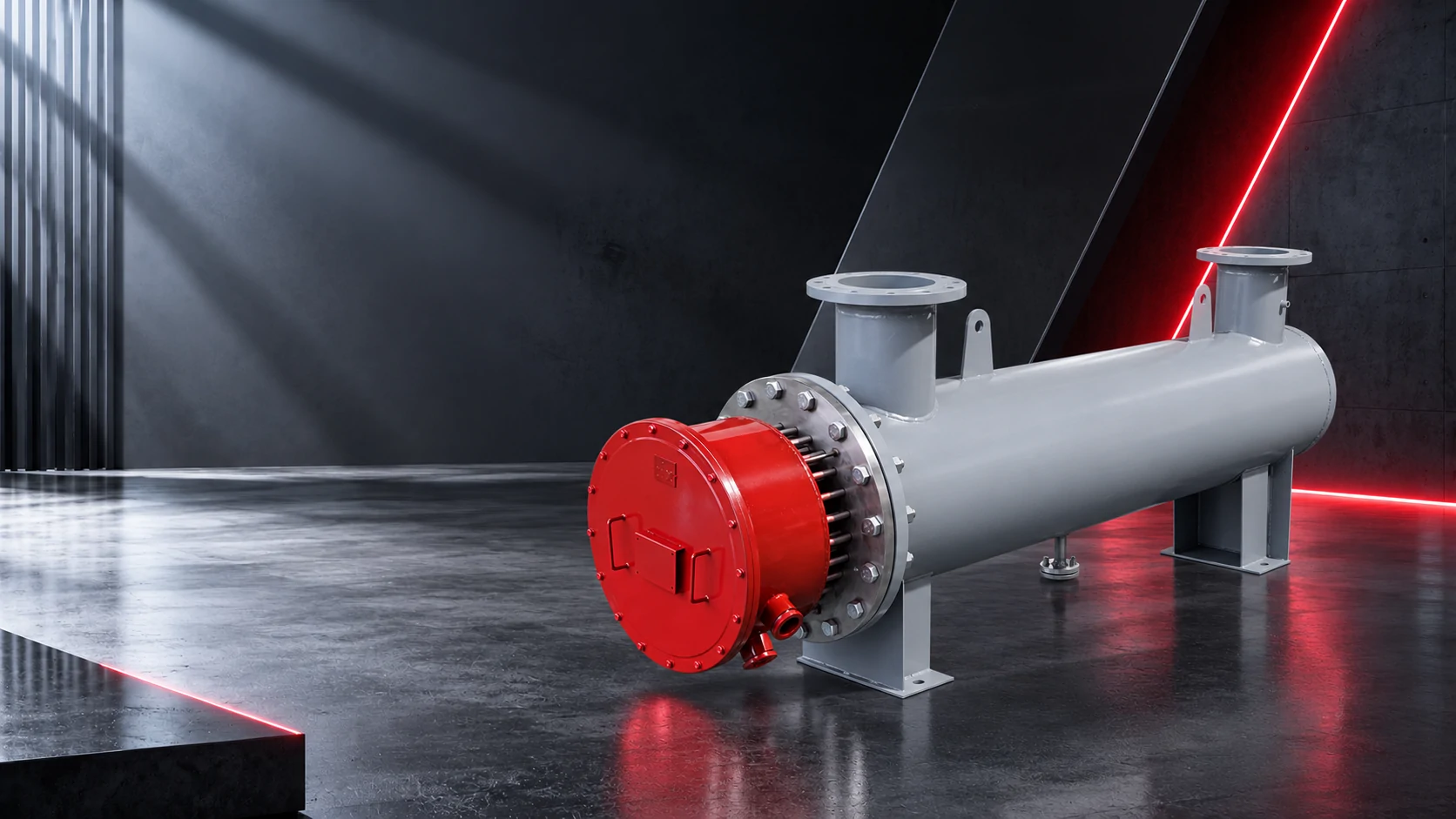
01Start with the nameplate and exact model
Record the manufacturer, complete model code, Ex marking, certificate number and any suffixes on the heater nameplate. The offered model must match the certificate schedule. A similar family name or a nearly identical model code is not enough: power, terminal box, element arrangement or enclosure changes can affect the certified scope.
Compare the marking with the project hazardous-area classification: equipment group, gas or dust group, temperature class or maximum surface temperature, equipment protection level, and zone. The required combination comes from the area-classification documents and process hazards.
02Check the certificate scope
Obtain the full certificate and its schedule or annex, not just a cropped logo or first page. Check the certificate holder, manufacturing site, product type, model range, Ex protection concept, special conditions of use and any referenced drawings. Confirm that the document is current through the issuing body’s official verification channel when one is available.
Certification systems differ by country and market. Confirm which approval is required at the installation site and whether the certificate is accepted by the project authority. A certificate issued for one market does not automatically satisfy another market’s rules.
03Confirm the delivered configuration
Ask the supplier to confirm in writing that the quoted heater is covered as a complete assembly, including the terminal enclosure, cable entries, sensors, control devices and accessories supplied with it. Component certificates do not by themselves certify the finished heater or its assembled configuration.
At receiving inspection, compare the physical nameplate, model, Ex marking and certificate documents with the approved submittal. Keep the certificate, instructions, wiring diagrams and inspection records with the equipment file.
04What to send with an RFQ
- Hazardous-area classification drawing and applicable local approval requirement
- Gas or dust name, group, zone, ambient temperature and required temperature class
- Process medium, flow, inlet and outlet temperature, pressure and required duty
- Electrical supply, installation location, enclosure and cable-entry requirements
- Requested documentation, inspection and certification scope
If the area classification is not finalized, state that clearly and request a design review. Do not select an Ex marking from a generic rule of thumb; the responsible project engineer or hazardous-area specialist must confirm the classification.