
01Define the temperature to maintain
Record the fluid, pipe outside diameter, heated length, target and ambient temperatures, and insulation thickness. Note outdoor exposure, wall penetrations and sections with strong airflow.
If you need startup heating, also provide starting temperatures, the mass of pipe and fluid, and the time available.
02Account for valves and supports
Straight runs, valves, flanges and supports lose heat differently. Mark them on a drawing and leave space for insulation work and removal.
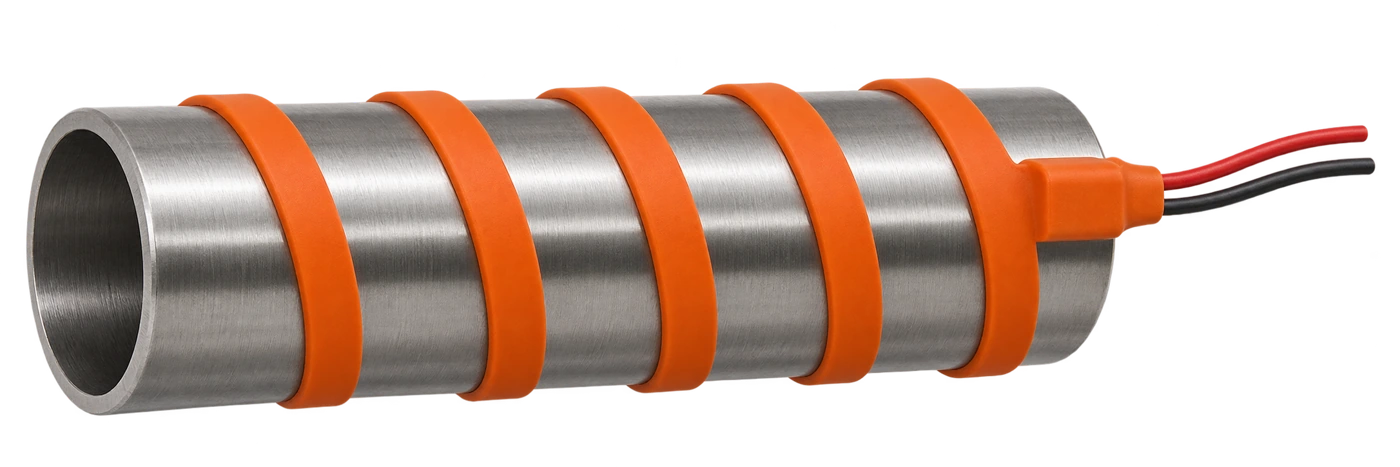
A preformed tape may include unheated ends. Give the required heated length and confirm the overall assembly length separately.
03Check cutting and overlap rules
Preformed silicone tapes and field-cuttable tracing products have different installation rules. Verify voltage, bend limits, attachment and overlap permission for the selected model.
For plastic pipe, check the pipe temperature rating and approved attachment method. A layout used on metal pipe may not be suitable.
04Plan sensing and insulation together
Locate the sensor where it represents the pipe section of interest. Check whether the design calls for separate overtemperature protection. Inspect contact, fastening, lead protection and insulation continuity.
On startup, check likely cold spots such as valves, penetrations and insulation joints. Record the results for later maintenance.