
01Record the condition before cleaning
Note the polymer, additives, affected holes and previous cleaning method. Photograph the capillary area and sealing face so existing marks can be distinguished from changes after cleaning.
Keep components exposed to different polymers separate in the records. If the residue is unknown, start with a small trial rather than borrowing another polymer’s cycle.
02Set up the load on the right fixture
Confirm whether the spinneret assembly must be dismantled, which surfaces can rest on the fixture and where softened residue can drain. Check the temperature limits of both parts and fixtures.
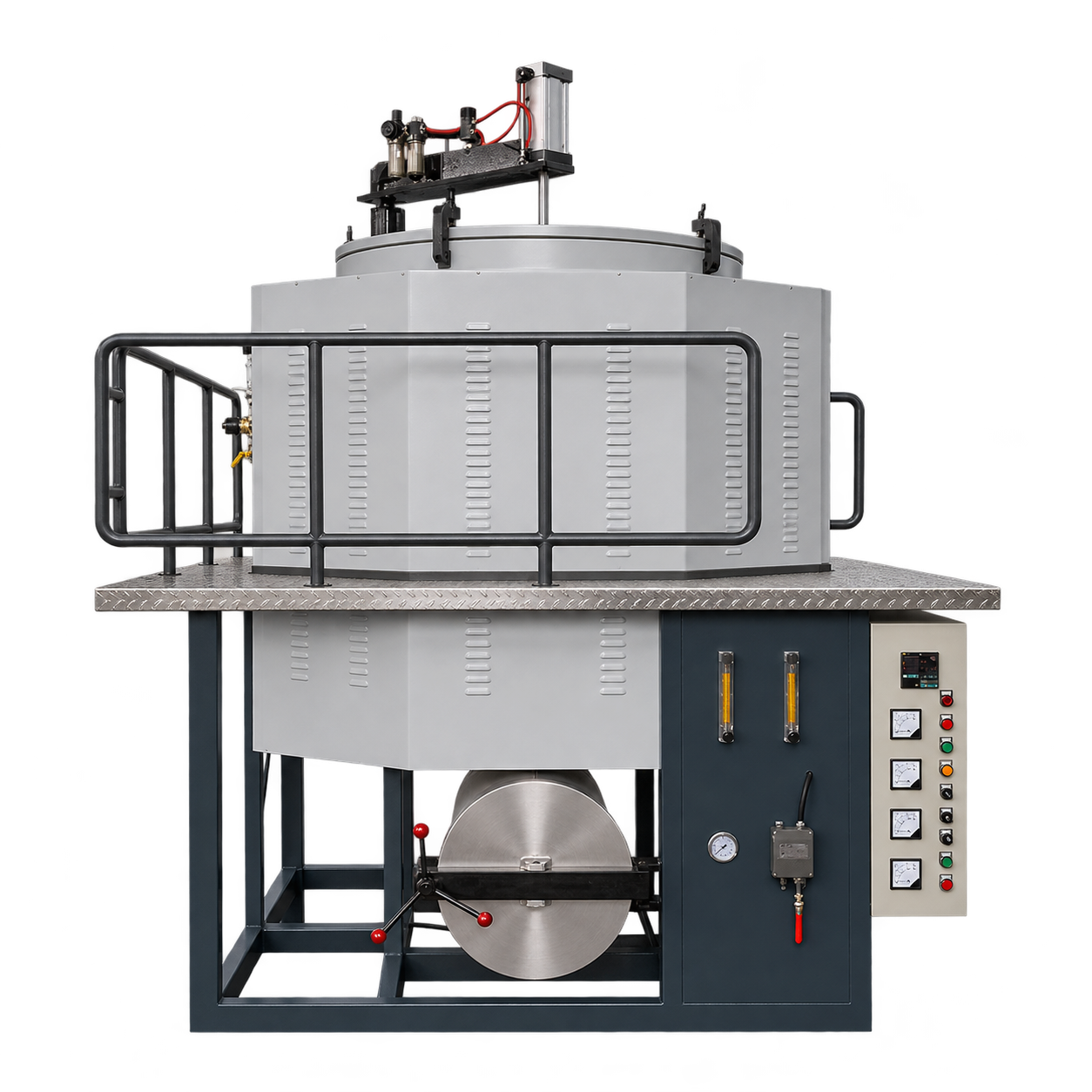
A vacuum thermal cleaning process may include melt-off, pyrolysis and a later oxidation stage. Have the equipment supplier validate the cycle for the actual residue and part.
03Inspect the capillaries after cleaning
Check hole entrances, sealing faces and flatness against the plant’s criteria. Use the agreed magnification or flow check for capillaries and compare with spinning trial results where needed.
If an ultrasonic bath or another finishing step is required, check its compatibility with the material, hole size and surface requirements. Record it separately from the furnace cycle.
04Keep a record you can repeat
Save the fixture layout, load mass, cycle ID, process data and inspection results. These records help when the polymer or loading pattern changes.
If black specks return, identify whether they are remaining residue, contamination transferred from the fixture or a problem in post-cleaning handling before repeating the cycle.