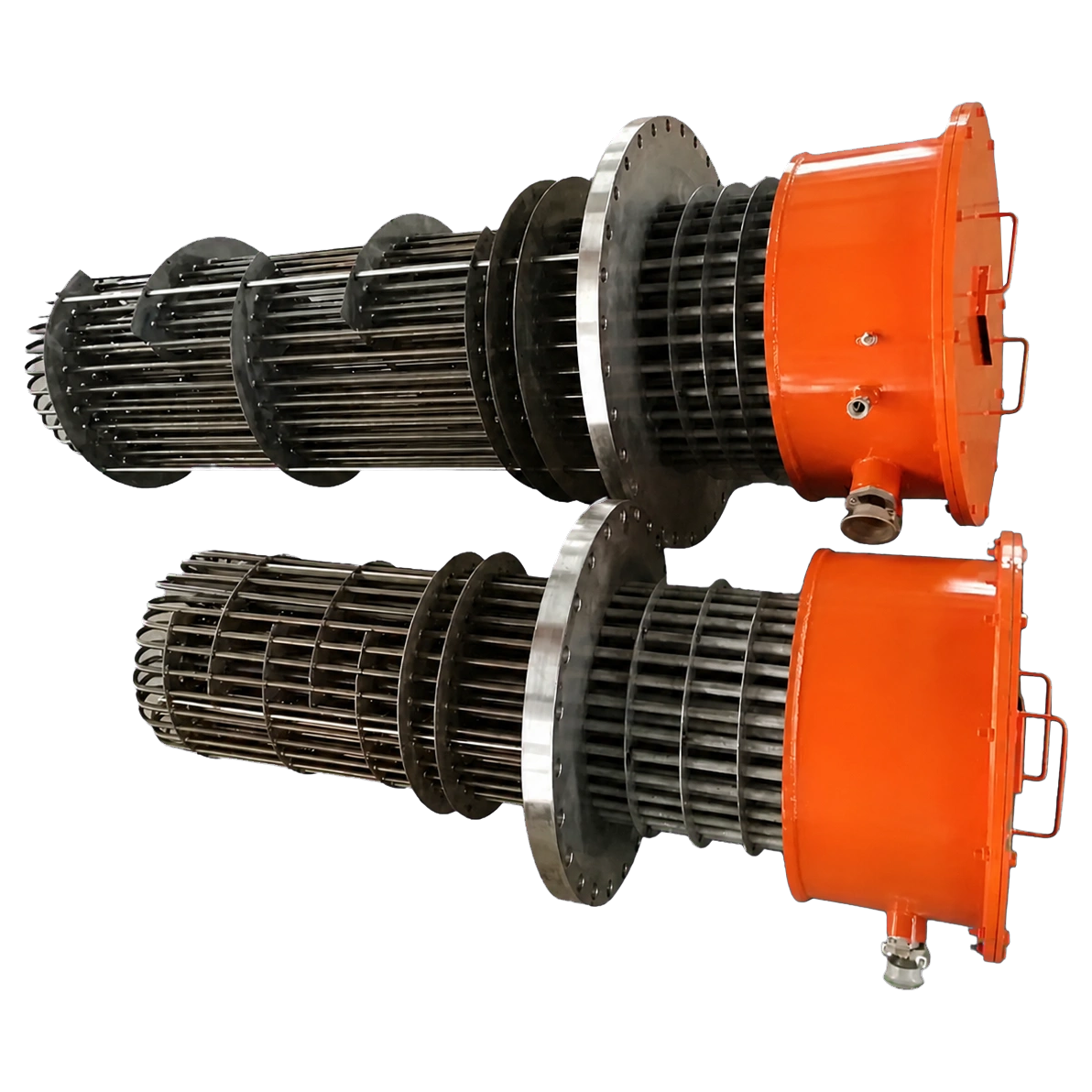
Zone and rating
Zone classification (0 / 1 / 2 for gas, 20 / 21 / 22 for dust) decides the Ex construction and must be formally confirmed by the safety department or design institute.
 DIANREZHANELECTRIC HEATINGIndustry Solutions中文
INDUSTRY SOLUTION · S6
Heating for flammable or explosive atmospheres: zone, Ex level, temperature class, isolation and over-temperature protection.
SCENARIO
Petrochemical, coating and dust-handling areas contain explosive gas or dust, and the heater itself is a potential ignition source. The design has to satisfy the standard on three levels at once — electrical construction (flameproof, increased safety), surface temperature (temperature class) and protective interlocks. No single item passing means the whole unit is compliant.
Zone classification (0 / 1 / 2 for gas, 20 / 21 / 22 for dust) decides the Ex construction and must be formally confirmed by the safety department or design institute.
Every surface in contact with the medium must stay below the ignition temperature for its class (T1–T6), which directly limits surface load.
Over-temperature, low flow, earth-leakage, grounding and pressure interlocks must all be provided, and Ex equipment needs its certificate and factory test report.
Cable entry sealing, cable selection and bonding to ground must follow hazardous-area installation rules — otherwise a perfectly certified unit loses its protection.
SOLUTION PATH
Establish the explosive medium group and ignition temperature, and obtain the zone classification drawing as the basis for Ex rating and temperature class.
Select flameproof (Ex d), increased safety (Ex e) or another construction by zone; terminal chambers, terminals and cable glands matched to the same protection.
Back-calculate permitted surface load from the temperature class, keep a safety margin, and prove the limit under the worst credible case.
Provide over-temperature cut-out, flow interlock and earth-leakage protection, request the examination certificate and test report, and install to the standard with acceptance checks.
RECOMMENDED EQUIPMENT
FAQ
Ex marks explosion-protected electrical equipment, d is flameproof construction, IIB is the gas group, and T4 means the maximum surface temperature stays below 135 °C. The rating must match the site medium and zone — it cannot be downgraded at will.
Yes. Proper Ex electrical equipment is issued an examination certificate and ships with a factory test report. Check certificate details against the nameplate when purchasing.
Dust areas use zones 20 / 21 / 22 and correspondingly Ex t (dust-protected) construction, with particular attention to heat dissipation through dust layers and to cleaning regimes.
INQUIRY PREP